Five new honorary doctors in technology at Aalto in 2024
The ceremonial conferment will take place on campus in June.
Metsähovi is one of the major research and teaching infrastructure at Aalto University

We are hiring 178 doctoral researchers in the new doctoral education pilot funded by the Finnish Ministry of Education and Culture

Researchers at Aalto and FCAI are developing AI that works with people and supports decision-making


The ceremonial conferment will take place on campus in June.

Aalto University also ranked in the top 100 in five other subjects in the prestigious QS ranking

Aalto University researchers adapt a novel force measurement technique to uncover the previously unidentified physics at play at the thin air-film gap between water droplets and superhydrophobic surfaces.

What is radical creativity? How do uncertain and seemingly impossible projects move forward? Welcome to the screenings of the documentary directed by Emilia Hernesniemi.

The event is held in Dipoli and open for everyone, welcome!

Aalto University and University of Helsinki organise an event about artificial intelligence and art. These talks are part of the Creative Technologies series.
Our experts break down what we should know about current societal trends.

Tweaking the healthcare system won’t help if its structure provides the wrong incentives, says Paul Lillrank. The professor emeritus of industrial economics gives his views on what’s wrong with Finland’s healthcare system and what should be done about it.

Assistant Professor Luana Dessbesell explains what makes bioinnovation truly sustainable and how to avoid challenges that stalk growth entrepreneurs.

When you think about the powerhouses ensuring our societal and economical success, universities may not be the first thing to pop into mind. It's clear that a university's basic function is to provide education and advance scientific research, but what else is there?
Scientific research and artistic activities are carried out at six schools and their departments and units.
One of the most prestigious universities in its fields. We educate our students to create imaginative, collaborative, compassionate and unconventional approaches to the most pressing challenges of today.

Research, education and new solutions in the fields of mechanical engineering, civil engineering and built environment.

We strive for better business and better society. We excel in education and research with a multidisciplinary approach and in collaboration with our partners.

We combine natural sciences and engineering in a unique way.

We are experts in systems science developing integrated solutions from care of the elderly to space robotics.

Science for tomorrow’s technology, innovations and businesses


Aalto University's campus in Otaniemi is a renewable and living environment for research, art, learning, entrepreneurship and housing. The campus area inspires people to collaborate, try out new ideas and innovate together.
Explore our vibrant innovation ecosystem
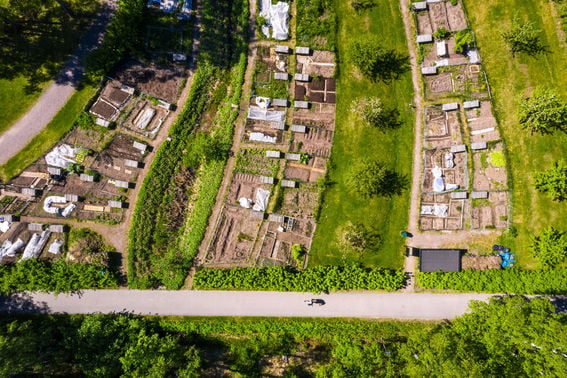
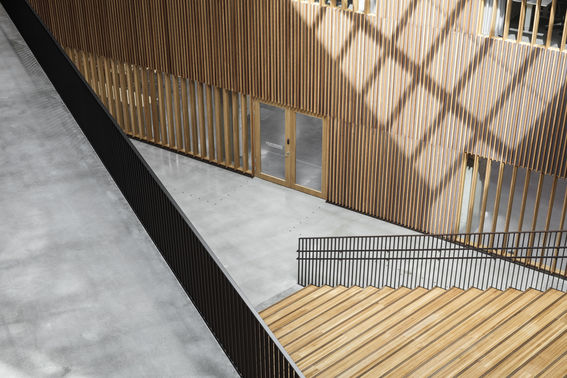
Explore Aalto University’s campus from anywhere in the world! Our digital guides introduce you to our learning facilities, laboratories, workshops, service spots and outdoor spaces. Experience the tour on desktop, mobile or with VR headset.


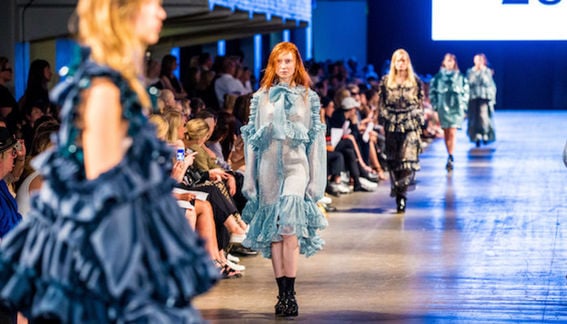

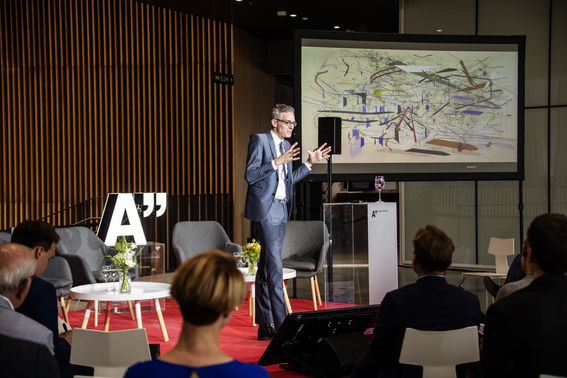

Aalto University Lifewide Learning helps you develop your skills in an ever-changing environment.

Open University courses are open to everyone regardless of background or age. Open University offers individual courses in Business, Technology, Languages, and Art and Design. Students are admitted to individual courses in the order of registration.

Aalto University Junior is art, science, technology and entrepreneurship for children, young people and teachers - to support teaching, personal joy and a source of enthusiasm.
On this page, we will gather information on how Russia's invasion of Ukraine affects Aalto University’s operations. We will update the contents regularly.

On this page you find answers to commonly asked questions related to the effects the war in Ukraine has on Aalto University.

At Aalto University, we create the conditions for innovation, economic growth, employment and wellbeing. A gift to the university is an investment in a better future.

Our research focuses on seven key areas combining four core competences in the fields of ICT, materials, arts, design and business together with three grand challenges related to energy, living environment, and health.

Join us in building a sustainable future! Together we can solve some of the toughest problems of our time.


